


Black Professional (Unregistered).
- BlackMeninArchitecture

- May 27, 2019
- 3 min read

- Name:
Tim Uzoigwe
(Content Editor @ BlackMeninArchitecture)
- City:
Houston, TX
- College & Practice (if already practicing):
Studied @ University of Illinois Urbana Champaign
Currently a Designer @ Gensler
- Favorite Architect(s)?
Bjarke Ingels
David Adjaye
- Favorite Building(s)?
Smithsonian National Museum of African American History and Culture, Washington DC, 2016 by David Adjaye

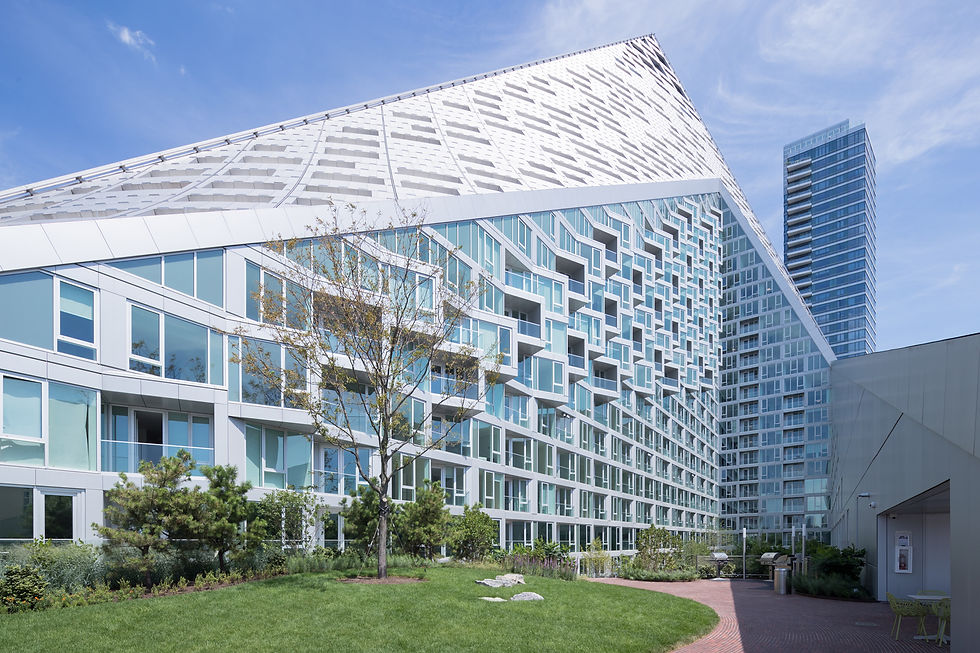
Via 57 West, New York, USA by Bjarke Ingels

- How would you describe being a Black Architecture student/Black Architect in the profession?
As a Black Architecture Student in Grad school I felt alone, though I was the friendly type. I lacked people that looked like me to discuss and commune freely and easily with. While now As a Black Professional in Architecture I feel underrepresented and crave for my voice to be heard in the room without having to put unnessseray extra effort. I believe in a merit based thought process. As much as I believe strongly in diversity, collaboration and representation of ideas, values and cultures.
- How important is diversity to the profession?
Diversity allows for creativity, connection and balance. With diversity we are able to create more socio-cultural based design that meets user needs. We are influenced by what we see and experience. If all we study is white and all we see is white, all we create is white. I always give specific reference to History of Architecture, 99% of what we study in architectural History is about white architects and few or no people of color. That’s why I applaud Black architecture organizations such as NOMA, 400 strong etc, for pushing to create a form of representation for black architects. They inspire young black and underrepresented architects to explore the untold stories of architecture and encourage the undiscovered boundaries of black thinkers.
- Are you licensed?
If NO, why do you wish to be licensed?
If YES, what advantages do you have?
NO, but I am extremely excited to get licensed. Firstly, it allows you position yourself for career advancement, also it allows you to claim the title of an Architect which has been my dream for years. And lastly, Because I want to be able to transition from a doer to a leader, without a license most architects in some states are not allowed to design certain type of buildings. I believe getting licensed helps to increase the number of black architects in the profession and serves as an inspiration for younger architecture students.
- What is your design philosophy to architecture?
I believe Architecture should be a functional unfolding of SPACE that adapts to TIME and PLACE.
So I am obligated to design integrated buildings that meet users socio-environmental needs, values and culture through advancement in building technology and sustainable measures.
- Tell us about one of your most significant projects (Built, Unbuilt or Student work)?
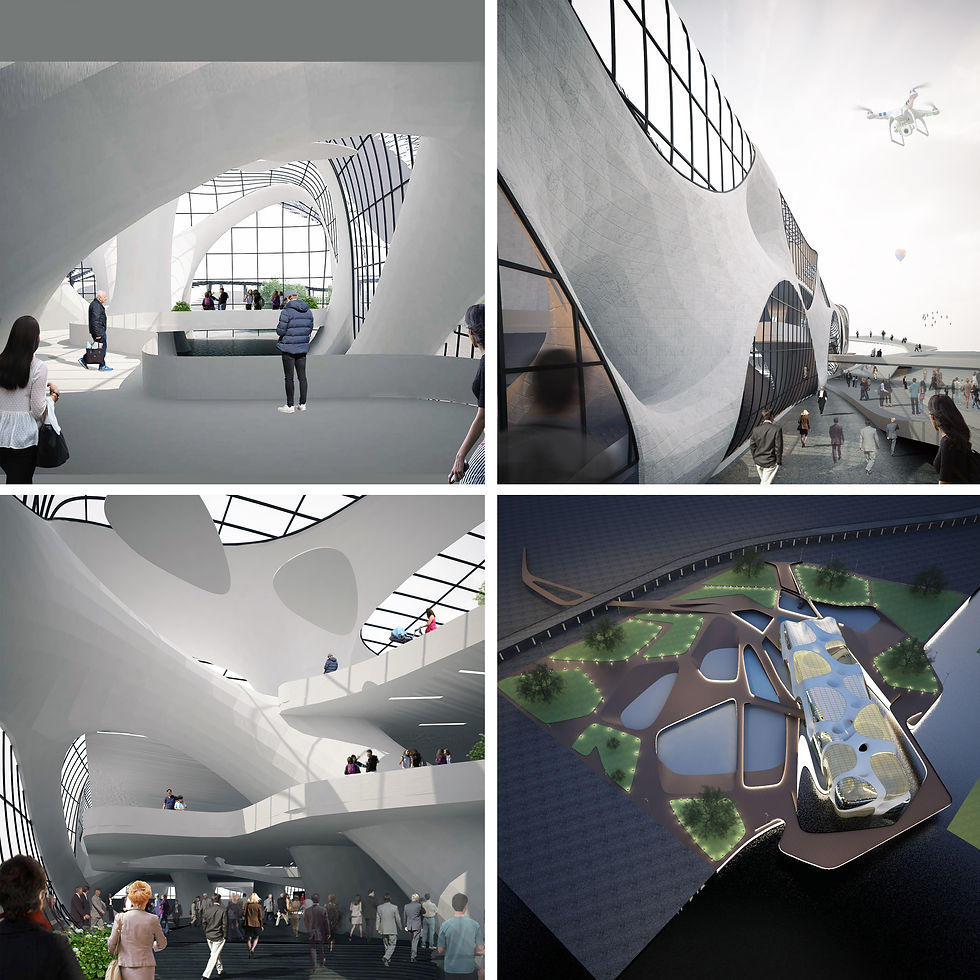
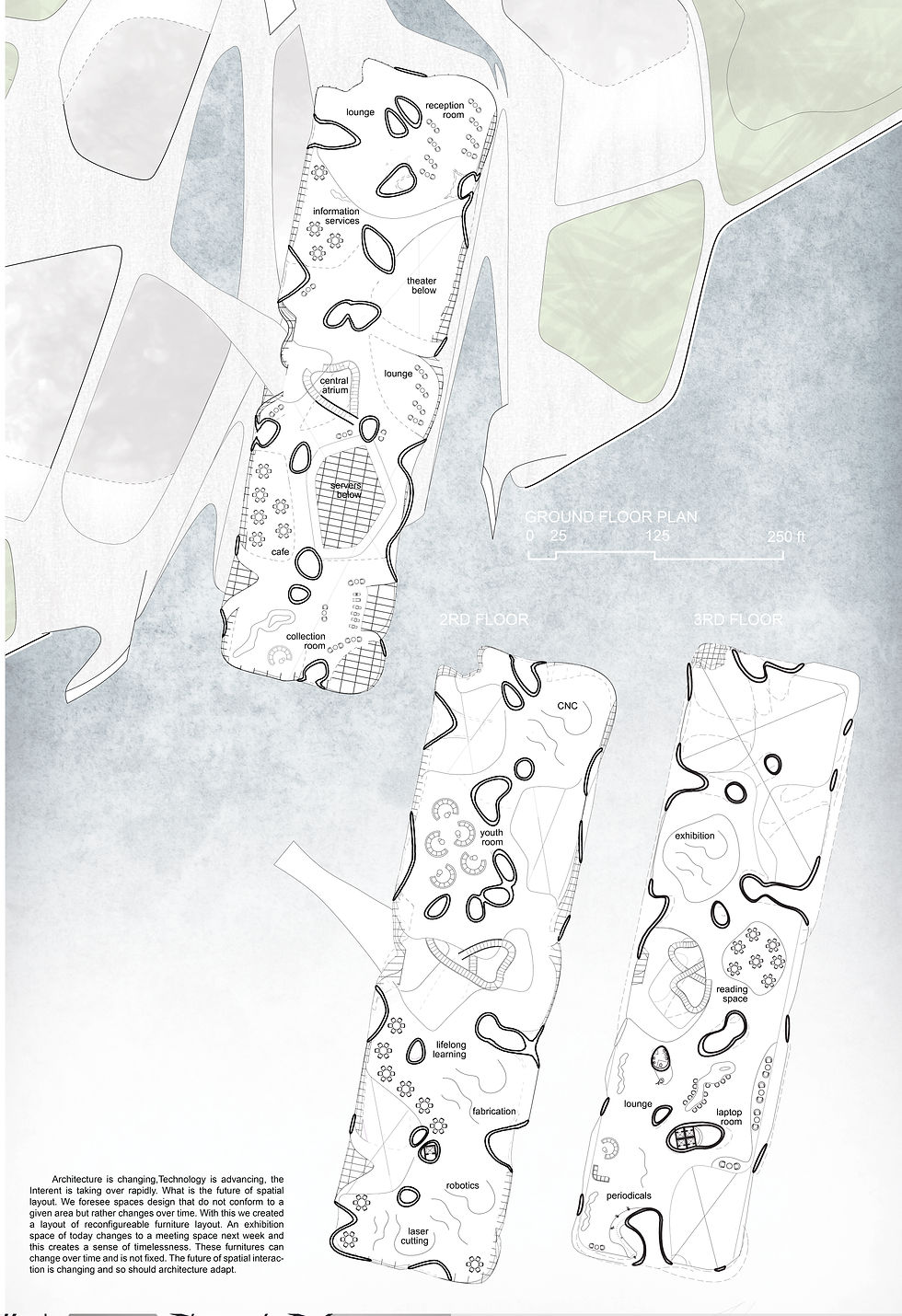
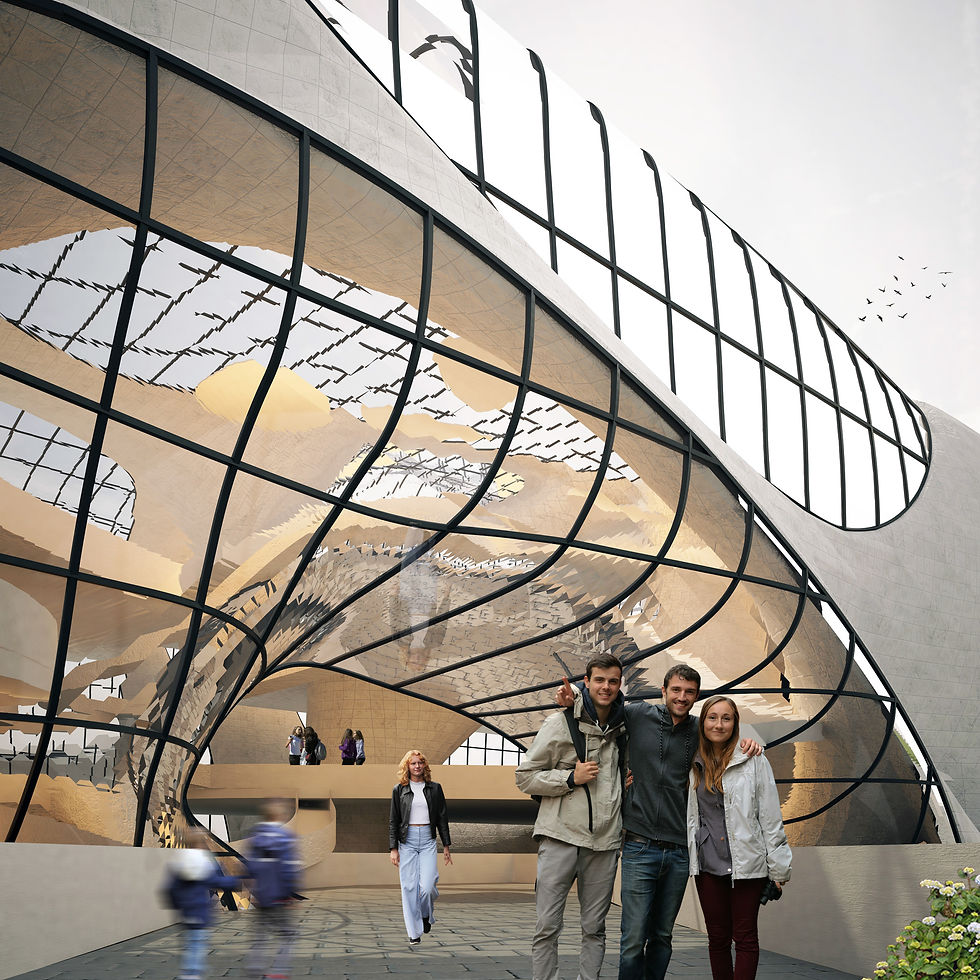
One of the most significant projects I did was in Grad school with my Teammate, the aim was to design an Internet archive for Toronto. We titled our project Unconformity of Form. It was important to me because it allowed me explore new ideas, learn new cultures and new methods of creating space in relation to human needs at a given point in time. To design this Internet archive, we decided to rethink how information can be assessed in this age of social media and phones at our fingertips.
We studied the time spent on the internet and how this creates a disconnect between human-building interaction. We eventually came up with an intervention of interconnected points just like the internet itself and called this UNCOMFORMITY (meaning a space that don't conform to a given period but changes over time). UNCOMFORMITY helped to bridge data storage (information), resource sharing and quality of life between users of all group. What could also be referred to as a socio-cultural data center will create an avenue for a range of social classes to come together LEARN, WORK and PLAY in harmony. The design will promote sense of place and community by providing many opportunities to interact with other users from within and outside its community.



Comments